Wednesday, October 22, 2008

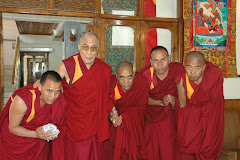
བཀྲ་ཤིས་ལུམྦིའི་ཚལ་with father and Memey Lay at Lumbini 2006
 སངས་རྒྱས་བཅོམ་ལྡན་འདས་ལ་ཕྱག་འཚལ་ལོ། །
ཟླ་བ་བཅུ་རྫོགས་ཤྰཀྱའི་སྲས་པོ་ནི། །
བཀྲ་ཤིས་ལུམྦིའི་ཚལ་དུ་བལྟམས་པའི་ཚེ། །
ཚངས་དང་བརྒྱ་བྱིན་གྱིས་བཏུད་མཚན་མཆོག་ནི། །
བྱང་ཆུབ་རིགས་སུ་ངེས་མཛད་ཕྱག་འཚལ་ལོ། །
 གང་དུ་བདག་གི་སྟོན་པ་སྐུ་འཁྲུངས་ཤིང་། །
གང་དུ་འདྲེན་པས་བྱང་ཆུབ་མཆོག་བརྙེས་ཏེ། །
འཆི་མེད་ལམ་བསྟན་མྱ་ངན་འདས་པ་ཡི། །
རྒྱ་གར་གནས་ཆེན་རྣམས་ལ་ཕྱག་འཚལ་ལོ། །
དེས་ན་འོ་སྐོལ་ཕྱི་མའི་དུས་སུ་སྐྱེས་པ། བསོད་ནམས་ཆུང་ངུའི་སྐྱེ་བོ། སངས་རྒྱས་ཀྱི་ཞལ་དངོས་སུ་མ་མཐོང་བ་དག་ནི། བདེ་བར་གཤེགས་པའི་གནས་ཆེན་བཞི་པོ་འདི་དག་ལ་མཇལ་དགོས་སོ་ཞེས། སྟོན་པ་མྱ་ངན་ལས་འདའ་ཀར་ཞལ་ཆེམས་ཀྱི་ཚུལ་དུ་གསུངས་ཏེ།
ཇི་སྐད་ལུང་ཕྲན་ཚེགས་ལས། དགེ་སློང་དག ང་འདས་པའི་འོག་ཏུ་གནས་བཞི་པོ་འདི་དག་ནི་རིགས་ཀྱི་བུ་དང་བུ་མོ་དད་པ་ཅན་རྣམས་ཀྱིས་ཇི་སྲིད་འཚོ་བའི་བར་དུ་འགྲོ་བར་བྱ་ཞིང་། དྲན་པར་འགྱུར་བར་བྱའོ། བཞི་གང་ཞེས་ན། འདིར་ནི་བཅོམ་ལྡན་འདས་འཁྲུངས་སོ། འདིར་ནི་བཅོམ་ལྡན་འདས་མངོན་པར་རྫོགས་པར་སངས་རྒྱས་སོ། འདིར་ནི་བཅོམ་ལྡན་འདས་ཀྱིས་ཆོས་ཀྱི་འཁོར་ལོ་རྣམ་པ་བཅུ་གཉིས་སུ་བསྐོར་ཏོ། འདིར་ནི་བཅོམ་ལྡན་འདས་ཡོངས་སུ་མྱ་ངན་ལས་འདས་པ་སྟེ། དགེ་སློང་དག་ང་འདས་པའི་འོག་ཏུ་འདིར་མཆོད་རྟེན་བསྐོར་བ་དང་། མཆོད་རྟེན་ལ་ཕྱག་འཚལ་བ་དག་འོང་གི དེ་དག་ལ་འདི་སྐད་ཅེས་བརྗོད་པར་བྱ་སྟེ། ཞེས་པ་ནས་ང་ལ་དད་པས་དུས་བྱས་པ་དེ་ཐམས་ཅད་ཀྱང་བདེ་འགྲོ་མཐོ་རིས་ཀྱི་འཇིག་རྟེན་དུ་འགྲོའོ། སོགས་རྒྱས་པར་གསུངས་སོ། །
 གུས་པ་སྤྱི་ལོ་ ༢༠༠༦ ཟླ་བ་༡༢ པའི་ཚེས་གྲངས་་་་་ཉིན་འདྲིན་ཅན་གྱི་ཕ་ཚེ་རིང་སྟོབས་ལྡན་ལགས་དང་ནོར་བུ་རམ་མེ་མེ་ལེ་དང་ལྷན་དུ་སྟོན་པ་སྐུ་ལྟམས་པའི་གནས་མཆོག་ལུམྦིནིའི་ཚལ་དུ་བཞུགས་ཡོད་པའི་རྒྱའི་ནང་པའི་གཙུག་ལག་ཁང་གི་རྒྱས་མགོའི་མདུན་རྒྱག་པའི་འདྲ་པར། པར་པ་རྒྱ་མོ་ཞིག
Tuesday, October 21, 2008
Sunday, October 19, 2008
Shantideva (AD 687-763) was a famous Indian Buddhist master who composed the Buddhist classic Guide to the Bodhisattva's Way of Life.

SHANTIDEVA SAY:..........
FOR AS LONG AS SPACE ENDURES,
AND FOR AS LONG AS SENTIENT BEINGS REMAIN,
UNTIL THEN MAY I TOO ABIDE,
TO DISPEL THE MISERY OF THE WORLD.
His Holiness say..........
[Reciting this verse daily and contemplating its meaning will help develop a positive mind]
DAILY PRACTICE
 Buddha would say:
IN THOUGHTS IMPURE TROUBLE ARISES
IN THOUGHTS PURE HAPPINESS FOLLOWS

DAILY PRACTICE
Upon waking in the morning, making the decision that " Today. I will do my best to have a positive mind and do virtuous deeds. I will help others as much as possible or at least, I will not harm anyone."
At the end of the day, look back and see how you have done. If you have done well, rejoice! If you have done something you believe is non-virtuous, Feel regret, purify and decide to do better in the future.
Upon waking in the morning, making the decision that " Today. I will do my best to have a positive mind and do virtuous deeds. I will help others as much as possible or at least, I will not harm anyone."
At the end of the day, look back and see how you have done. If you have done well, rejoice! If you have done something you believe is non-virtuous, Feel regret, purify and decide to do better in the future.
OM MANI PADME HUNG

 Chenrezig's heart is adorned with the mantra " OM MANI PADME HUNG" - to save all mother sentient beings.
 OM MANI PADME HUNG contains all the teaching of the Buddha, which is the method that frees all sentient beings from thier sufferings.
A+O+MA= OM
 OM represents our impure body, speech and mind that can be transformed into the pure exalted body, speech and mind of a Buddha by following the teachings
 MANI is the jewel symbolizing love, compassion and the altruistic intention to work for others.
PADME is the lotus symbolizing wisdom. the lotus grows from the mud but is unsullied by the mud. wisdom guides us out of ignorance, cutting the root of the suffering of existence.
 HUNG indicates that compassion and wisdom are practiced in unity.
 HUNG indicates that compassion and wisdom are practiced in unity.
  OM MANI PADME HUNG means, " you who have the great compassion, take care of me. Bless me and all sentient beings to have love and compassion, and generate the precious mind of Enlightenment". therefore, recite the 6 syllable mantra from the depth of your heart, putting your trust into Arya Avalokiteshvara [compassion Buddha] . Don't be distracted by worldly thoughts, but reflect on the meaning of the mantra.
Thursday, October 16, 2008
the 13th convocation ceremony of the CIHTS on Thursday, March 6, 2008,

 Dr Kalam will receive an honorary D.Litt. (Honoris Causa) Degree at the 13th convocation ceremony of the CIHTS on Thursday, March 6, 2008, at the institute's Atisha Hall.The Tibetan higher learning institute will also confer the honorary degree on Prof. Ajan Sulak Sivaraksa, an internationally renowned Buddhist scholar from Thailand. Mr Sulak is also the founder and president of the International Network of Engaged Buddhists.During the convocation, the institute’s director Prof. G. N. Samten will award the Degrees to the students who have successfully completed and passed their examinations in the fields Buddhist Philosophy, Tibetan Medicine (Bhot Chikitsa Vidya) and Tibetan Astrology (Bhot Jyotish) during the academic session 2005 – 2007.
- Mr Ajan Sulak Sivaraksa, founder and president of the International Network of Engaged Buddhists. (Photo by Tenzin Dasel / Phayul.com)Vidya Varidhi (Ph.D), Acharya (M.A.), BTMS (Bachelor of Tibetan Medicine and Surgery) and Shastri (B.A.) degrees of the institute will be conferred on the students.The CIHTS was established in 1967 under the active consideration of His Holiness the Dalai Lama and India's then Prime Minister Pandit Jawaharlal Nehru with a view to educating the youths of Tibet and Himalayan border students of India who had lost the opportunity of living in Tibet for advanced studies and religious discourses in Buddhism that had been their natural milieu.In the beginning it functioned as a special constituent wing of Sampurnananda Sanskrit University, Varanasi and was later declared as a "Deemed to be a University" on 5th April, 1988.Over the years, the institute achieved its goal of excellence in the field of Tibetology, Buddhology and Himalayan Studies.CIHTS is also a premier Research Institute, with a substantial staff of research scholars and many visitors from other academic Institutions in India and from around the world. It provides a platform for interaction between Buddhist and non-Buddhist Indian philosophical schools; between Buddhist and Western Philosophers; and between Buddhist scholars and scientists.
ཤེས་རབ་སྙིང་པོ་ཞུགས་སོ ། །HEART SUTRA
 རྒྱ་གར་སྐད་དུ། བྷགཝཏྰི་པྲཛྙྰ་པྰ་མི་ཏྰ་ཧྲིད་ཡ།
 བོད་སྐད་དུ། བཅོམ་ལྡན་འདས་མ་ཤེས་རབ་ཀྱི་ཕ་རོལ་ཏུ་ཕྱིན་པའི་སྙིང་པོ། བམ་པོ་གཅིག་གོ།
འདི་སྐད་བདག་གིས་ཐོས་པ་དུས་གཅིག་ན། བཅོམ་ལྡན་འདས་རྒྱལ་པོའི་ཁབ་བྱ་རྒོད་ཕུང་པོའི་རི་ལ་དགེ་སློང་གི་དགེ་འདུན་ཆེན་པོ་དང་། བྱང་ཆུབ་སེམས་དཔའི་དགེ་འདུན་ཆེན་པོ་དང་ཐབས་ཅིག་ཏུ་བཞུགས་ཏེ། དེའི་ཚེ་བཅོམ་ལྡན་འདས་ཟབ་མོ་སྣང་བ་ཞེས་བྱ་བའི་ཆོས་ཀྱི་རྣམ་གྲངས་ཀྱི་ཏིང་ངེ་འཛིན་ལ་སྙོམས་པར་བཞུགས་སོ། ཡང་དེའི་ཚེ་བྱང་ཆུབ་སེམས་དཔའ་སེམས་དཔའ་ཆེན་པོ་འཕགས་པ་སྤྱན་རས་གཟིགས་དབང་ཕྱུག་ཤེས་རབ་ཀྱི་ཕ་རོལ་ཏུ་ཕྱིན་པ་ཟབ་མོའི་སྤྱོད་པ་ཉིད་ལ་རྣམ་པར་ལྟ་ཞིང་ཕུང་པོ་ལྔ་པོ་དེ་དག་ལ་ཡང་རང་བཞིན་གྱིས་སྟོང་པ་རྣམ་པར་ལྟའོ། །དེ་ནས་སངས་རྒྱས་ཀྱི་མཐུས་ཚེ་དང་ལྡན་པ་ཤྰ་རིའི་བུས་བྱང་ཆུབ་སེམས་དཔའ་སེམས་དཔའ་ཆེན་པོ་འཕགས་པ་སྤྱན་རས་གཟིགས་དབང་ཕྱུག་ལ་འདི་སྐད་ཅེས་སྨྲས་སོ། །རིགས་ཀྱི་བུ་གང་ལ་ལ་ཤེས་རབ་ཀྱི་ཕ་རོལ་ཏུ་ཕྱིན་པ་ཟབ་མོའི་སྤྱོད་པ་སྤྱད་པར་འདོད་པ་དེས་ཇི་ལྟར་བསླབ་པར་བྱ། དེ་སྐད་ཅེས་སྨྲས་པ་དང་། བྱང་ཆུབ་སེམས་དཔའ་སེམས་དཔའ་ཆེན་པོ་འཕགས་པ་སྤྱན་རས་གཟིགས་དབང་ཕྱུག་གིས་ཚེ་དང་ལྡན་པ་ཤྰར་དྭ་ཏྰིའི་བུ་ལ་འདི་སྐད་ཅེས་སྨྲས་སོ། །ཤྰ་རིའི་བུ། རིགས་ཀྱི་བུའམ་རིགས་ཀྱི་བུ་མོ་གང་ལ་ལ་ཤེས་རབ་ཀྱི་ཕ་རོལ་ཏུ་ཕྱིན་པ་ཟབ་མོའི་སྤྱོད་པ་སྤྱད་པར་འདོད་པ་དེས་ཇི་ལྟར་རྣམ་པར་བལྟ་བར་བྱ་སྟེ། ཕུང་པོ་ལྔ་པོ་དེ་དག་ཀྱང་རང་བཞིན་གྱིས་སྟོང་པར་རྣམ་པར་ཡང་དག་པ་རྗེས་སུ་བལྟའོ། །གཟུགས་སྟོང་པའོ། །སྟོང་པ་ཉིད་གཟུགས་སོ། །གཟུགས་ལས་སྟོང་པ་ཉིད་གཞན་མ་ཡིན། སྟོང་པ་ཉིད་ལས་ཀྱང་གཟུགས་གཞན་མ་ཡིན་ནོ། །དེ་བཞིན་དུ་ཚོར་བ་དང་། འདུ་ཤེས་དང་། འདུ་བྱེད་དང་། རྣམ་པར་ཤེས་པ་རྣམས་སྟོང་པའོ། ཤྰ་རིའི་བུ། དེ་ལྟར་ཆོས་ཐམས་ཅད་སྟོང་པ་ཉིད་དེ། མཚན་ཉིད་མེད་པ། མ་སྐྱེས་པ། མ་འགགས་པ། དྲི་མ་མེད་པ། དྲི་མ་དང་བྲལ་བ། བྲི་བ་མེད་པ། གང་བ་མེད་པའོ། །ཤྰ་རིའི་བུ། དེ་ལྟ་བས་ན་སྟོང་པ་ཉིད་ལ་གཟུགས་མེད། ཚོར་བ་མེད། འདུ་ཤེས་མེད། འདུ་བྱེད་མེད། རྣམ་པར་ཤེས་པ་མེད། མིག་མེད། རྣ་བ་མེད། སྣ་མེད། ལྕེ་མེད། ལུས་མེད། ཡིད་མེད། གཟུགས་མེད། སྒྲ་མེད། དྲི་མེད། རོ་མེད། རེག་བྱ་མེད། ཆོས་མེད་དོ། །མིག་གི་ཁམས་མེད་པ་ནས་ཡིད་ཁམས་མེད། ཡིད་ཀྱི་རྣམ་པར་ཤེས་པའི་ཁམས་ཀྱི་བར་དུ་ཡད་མེད་དོ། །མ་རིག་པ་མེད། མ་རིག་པ་ཟད་པ་མེད་པ་ནས་རྒ་ཤི་མེད། རྒ་ཤི་ཟད་པའི་བར་དུ་ཡང་མེད་དོ། །དེ་བཞིན་དུ་སྡུག་བསྔལ་བ་དང་། ཀུན་འབྱུང་བ་དང་། འགོག་པ་དང་། ལམ་མེད། ཡེ་ཤེས་མེད། ཐོབ་པ་མེད། མ་ཐོབ་པ་ཡང་མེད་དོ། །ཤྰ་རིའི་བུ། དེ་ལྟ་བས་ན་བྱང་ཆུབ་སེམས་དཔའ་རྣམས་ཐོབ་པ་མེད་པའི་ཕྱིར། ཤེས་རབ་ཀྱི་ཕ་རོལ་ཏུ་ཕྱིན་པ་ལ་བརྟེན་ཅིང་གནས་ཏེ་དེམས་ལ་སྒྲིབ་པ་མེད་ཅིང་སྐྲག་པ་མེད་དོ། །ཕྱིན་ཅི་ལོག་ལས་ཤིན་ཏུ་འདས་ནས་མྱ་ངན་ལས་འདས་པའི་མཐར་ཕྱིན་ཏོ། །དུས་གསུམ་དུ་རྣམ་པར་བཞུགས་པའི་སངས་རྒྱས་ཐམས་ཅད་ཀྱང་ཤེས་རབ་ཀྱི་ཕ་རོལ་ཏུ་ཕྱིན་པ་ལ་བརྟེན་ནས་བླ་ན་མེད་པ་ཡང་དག་པར་རྫོགས་པའི་བྱང་ཆུབ་ཏུ་མངོན་པར་རྫོགས་པར་སངས་རྒྱས་སོ། །དེ་ལྟ་བས་ན་ཤེས་རབ་ཀྱི་ཕ་རོལ་ཏུ་ཕྱིན་པའི་སྔགས། རིག་པ་ཆེན་པོའི་སྔགས། བླ་ན་མེད་པའི་སྔགས། མི་མཉམ་པ་དང་མཉམ་པའི་སྔགས། སྡུག་བསྔལ་ཐམས་ཅད་རབ་ཏུ་ཞི་བར་བྱེད་པའི་སྔགས། མི་རྫུན་པས་ན་བདེན་པར་ཤེས་པར་བྱ་སྟེ། ཤེས་རབ་ཀྱི་ཕ་རོལ་ཏུ་ཕྱིན་པའི་སྔགས་སྨྲས་པ། ཏདྱཐྰ ། ༀགཏེ་གཏེ་པྰརགཏེ་ པྰརསཾགཏེ་ བོདྷི་ སྭྰཧྰ། །ཤྰརདྭ་ཏྰའི་བུ་བྱང་ཆུབ་སེམས་དཔའ་སེམས་དཔའ་ཆེན་པོས། དེ་ལྟར་ཤེས་རབ་ཀྱི་ཕ་རོལ་ཏུ་ཕྱིན་པ་ཟབ་མོ་ལ་བསླབ་པར་བྱའོ། །དེ་ནས་བཅོམ་ལྡན་འདས་ཏིང་ངེ་འཛིན་དེ་ལས་བཞེངས་ཏེ་བྱང་ཆུབ་སེམས་དཔའ་སེམས་དཔའ་ཆེན་པོ་འཕགས་པ་སྤྱན་རས་གཟིགས་དབང་ཕྱུག་ལ་ལེགས་སོ་ཞེས་བྱ་བ་བྱིན་ནས། །ལེགས་སོ། ལེགས་སོ། །རིགས་ཀྱི་བུ། དེ་དེ་བཞིན་ནོ། རིགས་ཀྱི་བུ། དེ་དེ་བཞིན་ཏེ། ཇི་ལྟར་ཁྱོད་ཀྱིས་བསྟན་པ་བཞིན་དུ་ཤེས་རབ་ཀྱི་ཕ་རོལ་ཏུ་ཕྱིན་པ་ཟབ་མོ་ལ་སྤྱད་པར་བྱ་སྟེ། དེ་བཞིན་གཤེགས་པ་རྣམས་ཀྱང་རྗེས་སུ་ཡི་རང་ངོ་། །བཅོམ་ལྡན་འདས་ཀྱིས་དེ་སྐད་ཅེས་བཀའ་སྩལ་ནས། ཚེ་དང་ལྡན་པ་ཤྰར་དྭཏྰའི་བུ་དང་། བྱང་ཆུབ་སེམས་དཔའ་སེམས་དཔའ་ཆེན་པོ་འཕགས་པ་སྤྱན་རས་གཟིགས་དབང་ཕྱུག་དང་། ཐམས་ཅད་དང་ལྡན་པའི་འཁོར་དེ་དག་དང་། ལྷ་དང་། མི་དང་། ལྷ་མ་ཡིན་དང་། དྲི་ཟར་བཅས་པའི་འཇིག་རྟེན་ཡི་རངས་ཏེ། བཅོམ་ལྡན་འདས་ཀྱིས་གསུངས་པ་ལ་མངོན་པར་བསྟོད་དོ། འཕགས་པ་ཤེས་རབ་ཀྱི་ཕ་རོལ་ཏུ་ཕྱིན་པ་རྫོགས་སོ། ། ། །
ཏདྱཐྰ ། ༀགཏེ་གཏེ་པྰརགཏེ་ པྰརསཾགཏེ་ བོདྷི་ སྭྰཧྰ། འཕགས་པ་དཀོན་མཆོག་གསུམ་གྱི་བདེན་པའི་སྟོབས་ཀྱིས་ཕྱིར་བཟློག་པར་གྱུར་ཅིག །མེད་པར་གྱུར་ཅིག །ཞི་བར་གྱུར་ཅིག །དགྲ་བགེགས་བར་ཆད་མི་མཐུན་པའི་ཕྱོགས་ཐམས་ཅད་ཤྰནྟི་ཀུརུ་སྭྰཧྰ། །
འདི་སྐད་བདག་གིས་ཐོས་པ་དུས་གཅིག་ན། བཅོམ་ལྡན་འདས་རྒྱལ་པོའི་ཁབ་བྱ་རྒོད་ཕུང་པོའི་རི་ལ་དགེ་སློང་གི་དགེ་འདུན་ཆེན་པོ་དང་། བྱང་ཆུབ་སེམས་དཔའི་དགེ་འདུན་ཆེན་པོ་དང་ཐབས་ཅིག་ཏུ་བཞུགས་ཏེ། དེའི་ཚེ་བཅོམ་ལྡན་འདས་ཟབ་མོ་སྣང་བ་ཞེས་བྱ་བའི་ཆོས་ཀྱི་རྣམ་གྲངས་ཀྱི་ཏིང་ངེ་འཛིན་ལ་སྙོམས་པར་བཞུགས་སོ། ཡང་དེའི་ཚེ་བྱང་ཆུབ་སེམས་དཔའ་སེམས་དཔའ་ཆེན་པོ་འཕགས་པ་སྤྱན་རས་གཟིགས་དབང་ཕྱུག་ཤེས་རབ་ཀྱི་ཕ་རོལ་ཏུ་ཕྱིན་པ་ཟབ་མོའི་སྤྱོད་པ་ཉིད་ལ་རྣམ་པར་ལྟ་ཞིང་ཕུང་པོ་ལྔ་པོ་དེ་དག་ལ་ཡང་རང་བཞིན་གྱིས་སྟོང་པ་རྣམ་པར་ལྟའོ། །དེ་ནས་སངས་རྒྱས་ཀྱི་མཐུས་ཚེ་དང་ལྡན་པ་ཤྰ་རིའི་བུས་བྱང་ཆུབ་སེམས་དཔའ་སེམས་དཔའ་ཆེན་པོ་འཕགས་པ་སྤྱན་རས་གཟིགས་དབང་ཕྱུག་ལ་འདི་སྐད་ཅེས་སྨྲས་སོ། །རིགས་ཀྱི་བུ་གང་ལ་ལ་ཤེས་རབ་ཀྱི་ཕ་རོལ་ཏུ་ཕྱིན་པ་ཟབ་མོའི་སྤྱོད་པ་སྤྱད་པར་འདོད་པ་དེས་ཇི་ལྟར་བསླབ་པར་བྱ། དེ་སྐད་ཅེས་སྨྲས་པ་དང་། བྱང་ཆུབ་སེམས་དཔའ་སེམས་དཔའ་ཆེན་པོ་འཕགས་པ་སྤྱན་རས་གཟིགས་དབང་ཕྱུག་གིས་ཚེ་དང་ལྡན་པ་ཤྰར་དྭ་ཏྰིའི་བུ་ལ་འདི་སྐད་ཅེས་སྨྲས་སོ། །ཤྰ་རིའི་བུ། རིགས་ཀྱི་བུའམ་རིགས་ཀྱི་བུ་མོ་གང་ལ་ལ་ཤེས་རབ་ཀྱི་ཕ་རོལ་ཏུ་ཕྱིན་པ་ཟབ་མོའི་སྤྱོད་པ་སྤྱད་པར་འདོད་པ་དེས་ཇི་ལྟར་རྣམ་པར་བལྟ་བར་བྱ་སྟེ། ཕུང་པོ་ལྔ་པོ་དེ་དག་ཀྱང་རང་བཞིན་གྱིས་སྟོང་པར་རྣམ་པར་ཡང་དག་པ་རྗེས་སུ་བལྟའོ། །གཟུགས་སྟོང་པའོ། །སྟོང་པ་ཉིད་གཟུགས་སོ། །གཟུགས་ལས་སྟོང་པ་ཉིད་གཞན་མ་ཡིན། སྟོང་པ་ཉིད་ལས་ཀྱང་གཟུགས་གཞན་མ་ཡིན་ནོ། །དེ་བཞིན་དུ་ཚོར་བ་དང་། འདུ་ཤེས་དང་། འདུ་བྱེད་དང་། རྣམ་པར་ཤེས་པ་རྣམས་སྟོང་པའོ། ཤྰ་རིའི་བུ། དེ་ལྟར་ཆོས་ཐམས་ཅད་སྟོང་པ་ཉིད་དེ། མཚན་ཉིད་མེད་པ། མ་སྐྱེས་པ། མ་འགགས་པ། དྲི་མ་མེད་པ། དྲི་མ་དང་བྲལ་བ། བྲི་བ་མེད་པ། གང་བ་མེད་པའོ། །ཤྰ་རིའི་བུ། དེ་ལྟ་བས་ན་སྟོང་པ་ཉིད་ལ་གཟུགས་མེད། ཚོར་བ་མེད། འདུ་ཤེས་མེད། འདུ་བྱེད་མེད། རྣམ་པར་ཤེས་པ་མེད། མིག་མེད། རྣ་བ་མེད། སྣ་མེད། ལྕེ་མེད། ལུས་མེད། ཡིད་མེད། གཟུགས་མེད། སྒྲ་མེད། དྲི་མེད། རོ་མེད། རེག་བྱ་མེད། ཆོས་མེད་དོ། །མིག་གི་ཁམས་མེད་པ་ནས་ཡིད་ཁམས་མེད། ཡིད་ཀྱི་རྣམ་པར་ཤེས་པའི་ཁམས་ཀྱི་བར་དུ་ཡད་མེད་དོ། །མ་རིག་པ་མེད། མ་རིག་པ་ཟད་པ་མེད་པ་ནས་རྒ་ཤི་མེད། རྒ་ཤི་ཟད་པའི་བར་དུ་ཡང་མེད་དོ། །དེ་བཞིན་དུ་སྡུག་བསྔལ་བ་དང་། ཀུན་འབྱུང་བ་དང་། འགོག་པ་དང་། ལམ་མེད། ཡེ་ཤེས་མེད། ཐོབ་པ་མེད། མ་ཐོབ་པ་ཡང་མེད་དོ། །ཤྰ་རིའི་བུ། དེ་ལྟ་བས་ན་བྱང་ཆུབ་སེམས་དཔའ་རྣམས་ཐོབ་པ་མེད་པའི་ཕྱིར། ཤེས་རབ་ཀྱི་ཕ་རོལ་ཏུ་ཕྱིན་པ་ལ་བརྟེན་ཅིང་གནས་ཏེ་དེམས་ལ་སྒྲིབ་པ་མེད་ཅིང་སྐྲག་པ་མེད་དོ། །ཕྱིན་ཅི་ལོག་ལས་ཤིན་ཏུ་འདས་ནས་མྱ་ངན་ལས་འདས་པའི་མཐར་ཕྱིན་ཏོ། །དུས་གསུམ་དུ་རྣམ་པར་བཞུགས་པའི་སངས་རྒྱས་ཐམས་ཅད་ཀྱང་ཤེས་རབ་ཀྱི་ཕ་རོལ་ཏུ་ཕྱིན་པ་ལ་བརྟེན་ནས་བླ་ན་མེད་པ་ཡང་དག་པར་རྫོགས་པའི་བྱང་ཆུབ་ཏུ་མངོན་པར་རྫོགས་པར་སངས་རྒྱས་སོ། །དེ་ལྟ་བས་ན་ཤེས་རབ་ཀྱི་ཕ་རོལ་ཏུ་ཕྱིན་པའི་སྔགས། རིག་པ་ཆེན་པོའི་སྔགས། བླ་ན་མེད་པའི་སྔགས། མི་མཉམ་པ་དང་མཉམ་པའི་སྔགས། སྡུག་བསྔལ་ཐམས་ཅད་རབ་ཏུ་ཞི་བར་བྱེད་པའི་སྔགས། མི་རྫུན་པས་ན་བདེན་པར་ཤེས་པར་བྱ་སྟེ། ཤེས་རབ་ཀྱི་ཕ་རོལ་ཏུ་ཕྱིན་པའི་སྔགས་སྨྲས་པ། ཏདྱཐྰ ། ༀགཏེ་གཏེ་པྰརགཏེ་ པྰརསཾགཏེ་ བོདྷི་ སྭྰཧྰ། །ཤྰརདྭ་ཏྰའི་བུ་བྱང་ཆུབ་སེམས་དཔའ་སེམས་དཔའ་ཆེན་པོས། དེ་ལྟར་ཤེས་རབ་ཀྱི་ཕ་རོལ་ཏུ་ཕྱིན་པ་ཟབ་མོ་ལ་བསླབ་པར་བྱའོ། །དེ་ནས་བཅོམ་ལྡན་འདས་ཏིང་ངེ་འཛིན་དེ་ལས་བཞེངས་ཏེ་བྱང་ཆུབ་སེམས་དཔའ་སེམས་དཔའ་ཆེན་པོ་འཕགས་པ་སྤྱན་རས་གཟིགས་དབང་ཕྱུག་ལ་ལེགས་སོ་ཞེས་བྱ་བ་བྱིན་ནས། །ལེགས་སོ། ལེགས་སོ། །རིགས་ཀྱི་བུ། དེ་དེ་བཞིན་ནོ། རིགས་ཀྱི་བུ། དེ་དེ་བཞིན་ཏེ། ཇི་ལྟར་ཁྱོད་ཀྱིས་བསྟན་པ་བཞིན་དུ་ཤེས་རབ་ཀྱི་ཕ་རོལ་ཏུ་ཕྱིན་པ་ཟབ་མོ་ལ་སྤྱད་པར་བྱ་སྟེ། དེ་བཞིན་གཤེགས་པ་རྣམས་ཀྱང་རྗེས་སུ་ཡི་རང་ངོ་། །བཅོམ་ལྡན་འདས་ཀྱིས་དེ་སྐད་ཅེས་བཀའ་སྩལ་ནས། ཚེ་དང་ལྡན་པ་ཤྰར་དྭཏྰའི་བུ་དང་། བྱང་ཆུབ་སེམས་དཔའ་སེམས་དཔའ་ཆེན་པོ་འཕགས་པ་སྤྱན་རས་གཟིགས་དབང་ཕྱུག་དང་། ཐམས་ཅད་དང་ལྡན་པའི་འཁོར་དེ་དག་དང་། ལྷ་དང་། མི་དང་། ལྷ་མ་ཡིན་དང་། དྲི་ཟར་བཅས་པའི་འཇིག་རྟེན་ཡི་རངས་ཏེ། བཅོམ་ལྡན་འདས་ཀྱིས་གསུངས་པ་ལ་མངོན་པར་བསྟོད་དོ། འཕགས་པ་ཤེས་རབ་ཀྱི་ཕ་རོལ་ཏུ་ཕྱིན་པ་རྫོགས་སོ། ། ། །
ཏདྱཐྰ ། ༀགཏེ་གཏེ་པྰརགཏེ་ པྰརསཾགཏེ་ བོདྷི་ སྭྰཧྰ། འཕགས་པ་དཀོན་མཆོག་གསུམ་གྱི་བདེན་པའི་སྟོབས་ཀྱིས་ཕྱིར་བཟློག་པར་གྱུར་ཅིག །མེད་པར་གྱུར་ཅིག །ཞི་བར་གྱུར་ཅིག །དགྲ་བགེགས་བར་ཆད་མི་མཐུན་པའི་ཕྱོགས་ཐམས་ཅད་ཤྰནྟི་ཀུརུ་སྭྰཧྰ། །
བགེགས་རིགས་སྟོང་ཕྲག་བརྒྱད་ཅུ་ཞི་བ་དང་། །
མི་མཐུན་གནོད་པའི་རྐྱེན་དང་བྲལ་བ་དང་། །
མཐུན་པར་གྲུབ་ཅིང་ཕུན་སུམ་ཚོགས་གྱུར་པའི། །
བཀྲ་ཤིས་དེས་ཀྱང་དེང་འདིར་བདེ་ལེགས་ཤོག ། །
Tuesday, October 14, 2008
two master

both are my real coucin brother one is Tibetan Buddhist Master right now Geshe la very busy with local people and foriegn students, Mr, T.N.Vivik are meditation master now days his own meditation course for foreign students at thier own Dhamma House, in winter day they have collected the Drink water from Village,
stok kangri view

this is Stok Kangri(Stok means one of the ladakh village name, Kangri means Mountain) which took picture from Saboo, let enjoy the picture
FATHER LOOKING TO FIELDS
 this one is apples tree, this year very good ripened the apples
  My father Tsering Topden lak has care to the our families fields near by house
 this is our beautiful house which photos by Kunsang la, thanks for sent this picture.
Friday, October 10, 2008

Saturday, October 4, 2008
Subscribe to:
Comments (Atom)



 Posts
Posts